
Last week, this image showed up as a memory online. I tweeted it at the beginning of 2012 with the caption “This might be our nextgen learning / tech planning process.”
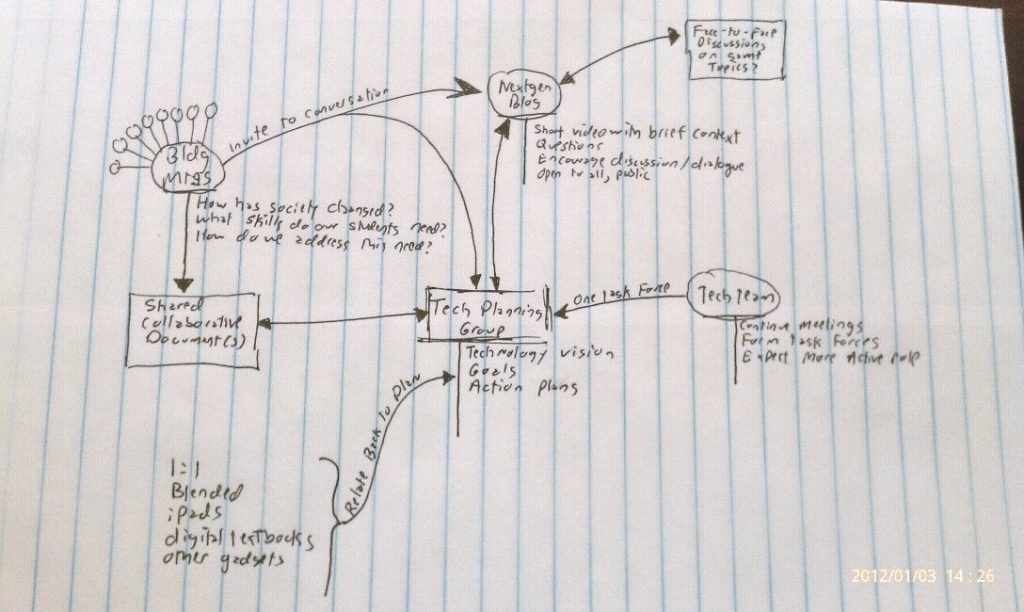
I remember drawing this. I recall a long conversation with my superintendent about it. Just the two of us, sitting at the table in his office. I wanted to redefine public education. He was working on a new vision for the school district that would eventually form a new strategic vision. We weren’t sure what the new world would look like. We wanted to include our stakeholders in the process, and for our teachers and parents, especially, to see the need for a different kind of learning for our students. We wanted THEM to push US to make changes to better prepare our students for the world they would inherit.
The plan was to start at the building level with conversations about how our world has changed in the information age, the skills and experiences our students need to navigate this world, and how we can work to address this need. We wanted to collect the artifacts of those conversations in shared, public documents and continue to iterate and refine those ideas. This was before the emphasis on portraits of a graduate, which eventually helped districts identify these characteristics that students should leave high school with. We were doing the same work, we just hadn’t identified it in the same way.
This fed into the NextGen blog idea. I posted a short video every two weeks, with some questions intended to prompt conversations about the video and how it applied to us and informed our practice. Is there a place in education for childishness and play? Do our students live up (or down) to our expectations? How can we build environments where teachers and students are learning together?
I sent these blog posts out via email, and encouraged our staff to have conversations about these ideas. And they DID. They talked about them in their grade level meetings and department meetings and at lunch with their friends and colleages. The conversations were informal. They didn’t have agendas or action items. The goal was just to get people talking. I didn’t participate in most of them, but I heard about them from teachers and principals. Eventually, we scheduled some standing face-to-face meetings to discuss these ideas.
All of this fed into a technology planning initiative, which resulted in the best school technology plan I’ve ever been involved with. It identified the instructional goals we were trying to foster, the technology needs to support those goals, and the barriers to meeting those needs. It was extensive and comprehensive, and it provided a blueprint for the work that followed over the next seven years.
This, in turn, led to the development of our digital learning plan, which focused on technology and digital literacy skills, and a purposeful plan for making students progressively more independent as they aged. It defined our approach to student technology, outlined out media program, and justified the need for instructional coaches and a professional development center that literally brought curriculum and technology together in a shared space.
It was 3 1/2 years later, in the summer of 2015, when we finally handed devices to students and launched a new era of learning in an environment with ubiquitous access to reliable technology that allows us to customize learning experiences for each student, improve student engagement with compelling work, foster collaboration among students with digital tools, and allow them to demonstrate their learning in new, creative, non-traditional ways. By that point, we had spent years working intentionally to figure out where we were trying to go and how to get there. And even then, we proceeded slowly, introducing it a grade level at a time, and providing extensive PD and planning time for our teachers before their students had devices.
Looking back now, it’s amazing to me that I managed to map the whole thing out on that one piece of notebook paper, and that we actually DID IT! And, for the most part, it worked. There are so many situations where schools rush in and buy the latest shiny thing, and then say, “now what do we do with it?” There are so many times when we try to adopt new tech to be innovative, and then use that tech to replicate all of the old stuff we’ve always done. I can’t count the number of times when I’ve been in meetings with someone who said, “okay, what’s the next step?” without any idea of what the LAST step is, and how we can try to move in that direction.
None of this stuff is perfect. If you dig into it enough, you’ll find plenty of places where you can point and say, “well THAT was a colossally bad idea.” And the goals of a dozen years ago aren’t the same as the goals we would need today. We’re in a different world now. But the idea that we can take big ideas about the future that we want, and actually create and implement a plan to move us in that direction, gives me hope.
 Taste of Tech