The Starting Point

“I saw student choice. The kids were writing their own songs. It was definitely DOK-4.” We were debriefing an instructional rounds experience after observing a fourth grade music class. The teacher-observer was pretty insistent that this was engaged, student-directed learning that required students to employ extended thinking skills to create something new. “The students were all doing the same thing. The teacher walked them through … Continue reading The Starting Point

Cultural Heritage

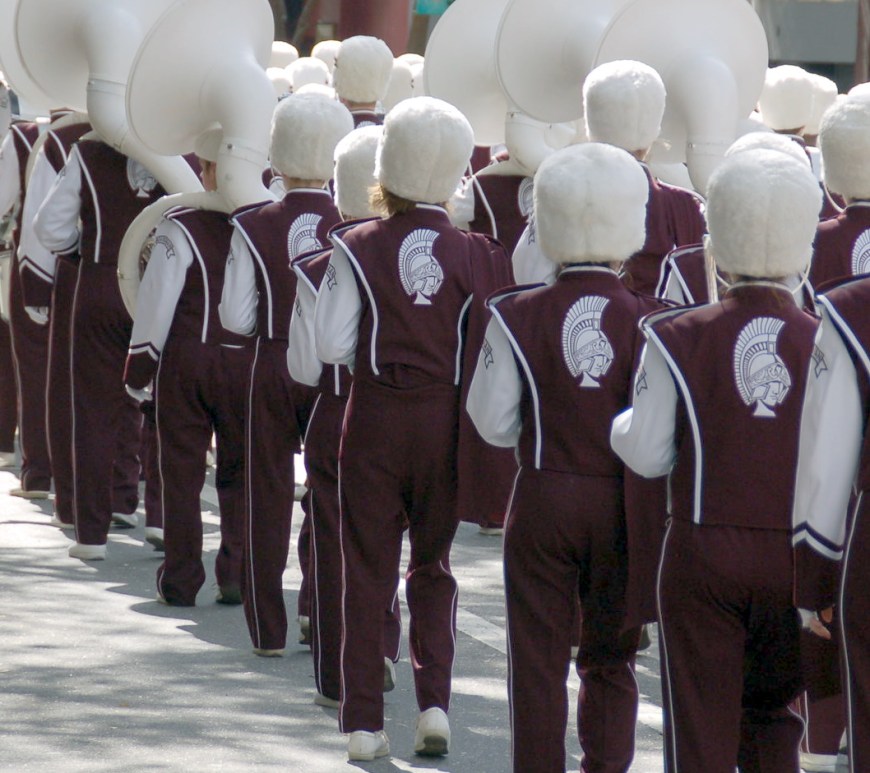
High schools are strange places. In our formative years, we spend so much time in them that they become intertwined with our youth. It’s the setting for most of the the social, academic, physical, and cognative development that happens in the teen years. Many graduates are instantly nostalgic for high school, and schools have to have “visitor” policies to keep from being overrun by alumni … Continue reading Cultural Heritage

Life Cycle

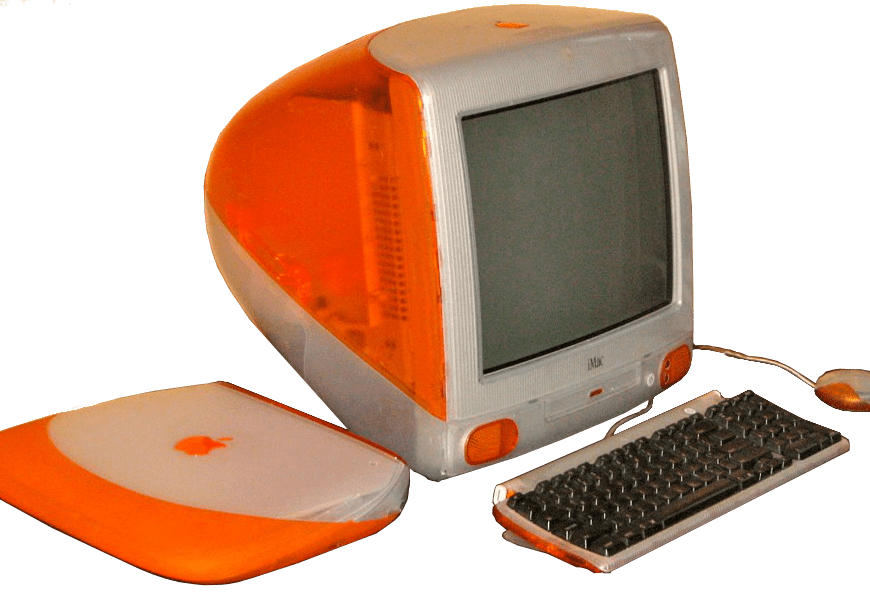
Technology is disposable. One of the challenges of managing technology in schools is the fact that you have to keep buying the same thing over and over again. Every time I put a computer into service, or a flat panel display, or a piece of network equipment, I have to remember that at some point, I’m going to have to throw that equipment away and … Continue reading Life Cycle

Teach Less

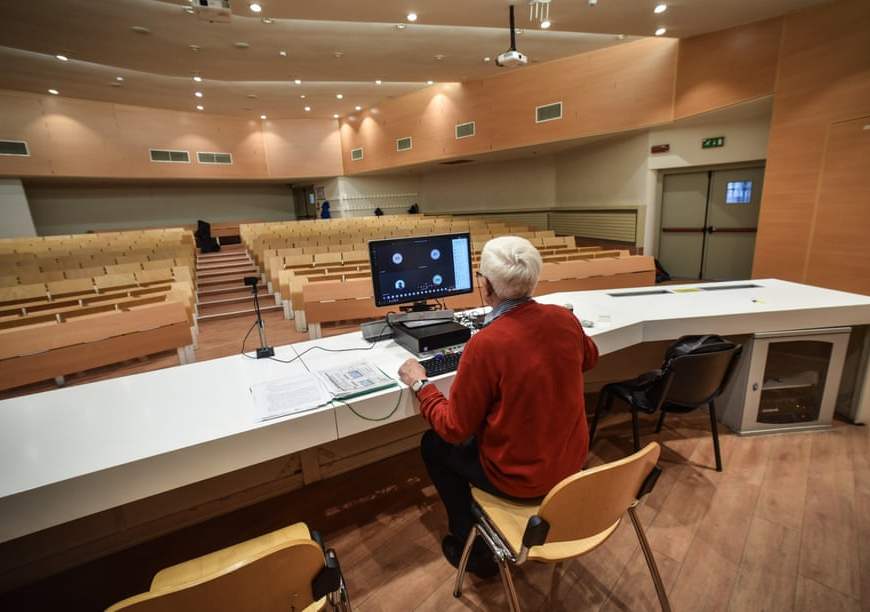
I taught “Computers 8.” I think that’s what it actually said on the students’ schedules. The precision in the course name betrayed the hand-waving that was happening behind the scenes. “We know this techy computer stuff is important, and we should tech kids more of that.” I was starting my third year in the classroom, and this was a new job in a new school. … Continue reading Teach Less

Common Language

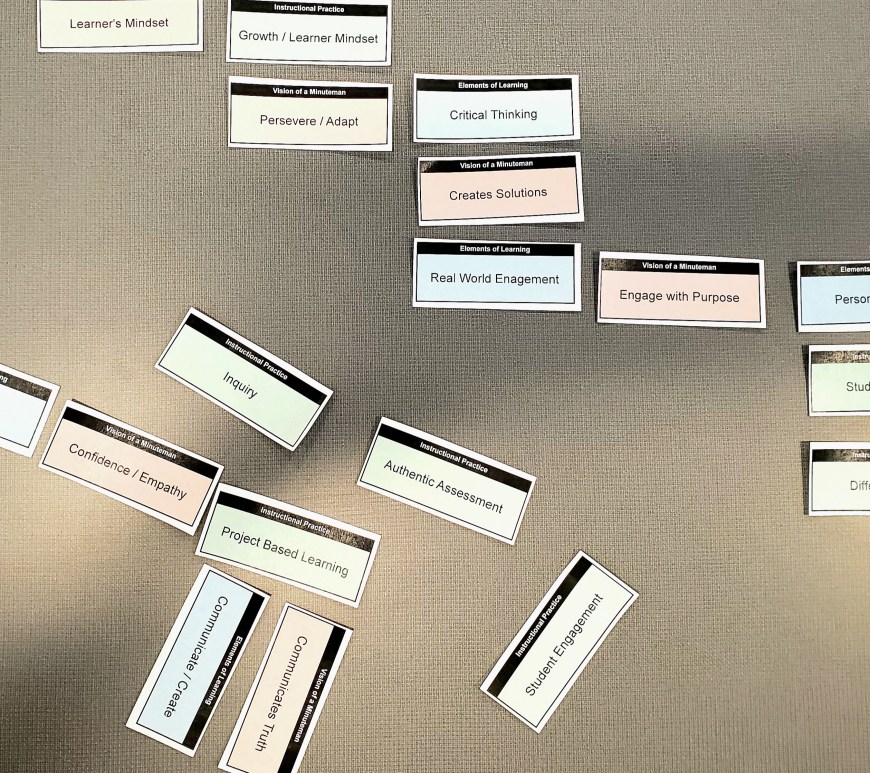
We want our students to be problem solvers. We want them to use their critical thinking and innovation skills to combine knowledge across disparate domains to find creative solutions to complex problems. We want them to be collaborative and articulate in varied environments, both online and offline. They have to understand society’s evolving relationship with information, and learn to successfully navigate an information-abundant world. And … Continue reading Common Language

21st Century Cheating

There was a social studies test coming up in seventh grade. Jimmy is a conscientious student. He works hard, tries to please his parents and his teachers, and is helpful to others. Jimmy is a 21st century kid. He uses his Chromebook in most of his classes. He’s a self-directed learner. He has experience working collaboratively with his peers. He uses his information literacy skills … Continue reading 21st Century Cheating